Box 020 
| | 
| | 
| | 
| | | | | | | | | | 020-1 | | 020-2 | | 020-3 | | 020-4 | Kuh
| | Rüde
| | Bär oder große Bärin
| | Weibchen
| ~ 110 cm, kalbend
| | ~ 85 cm, stehend, aufmerksam
| | ~ 100 cm, laufend, angreifend
| | ~ 6,30 m, schwimmend
| cow
| | male dog | | male or large female
| | female
| ~ 43", calving
| | ~ 33", standing, attentive
| | ~ 39", running, attacking
| | ~ 20.5 ft, swimming | | | | | | | | | | Verwendung/usage 1, 2, 3 | | Verwendung/usage 4, 5, 6, 7 | | Verwendung/usage 8 | | Verwendung/usage 9 | | | | | | | | | | -,-- € | | -,-- € | | -,-- € | | -,-- € | | | | | | | | | noch nicht produziert/ not yet produced | | noch nicht produziert/ not yet produced | | noch nicht produziert/ not yet produced | | noch nicht produziert/ not yet produced | | | | | | | | |
| | 
| | 
| | 
| | | | | | | | | | 020-5 | | 020-6 | | 020-7 | | 020-8 | | Rüde | | Weibchen
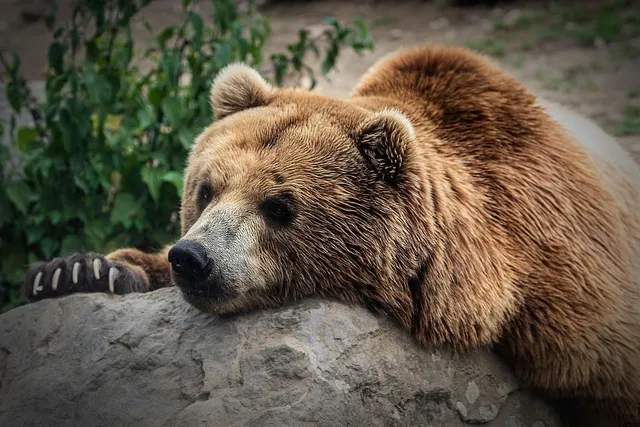
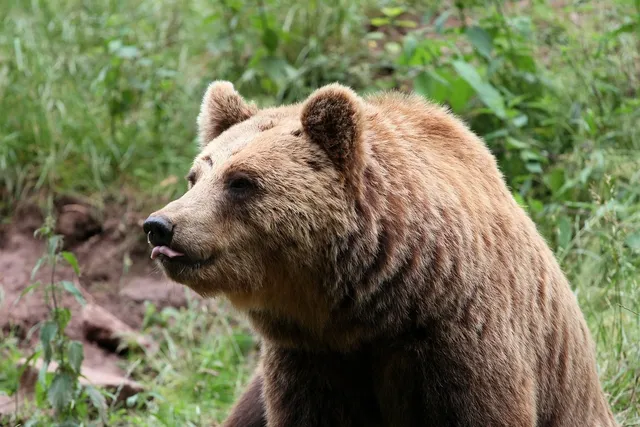
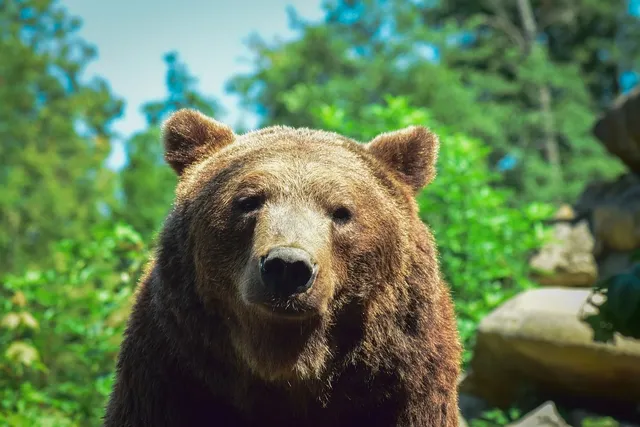
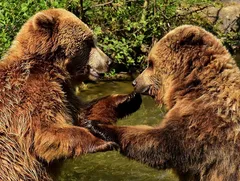
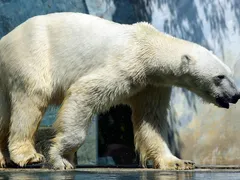
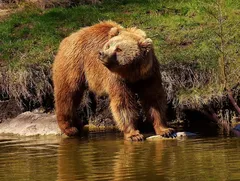
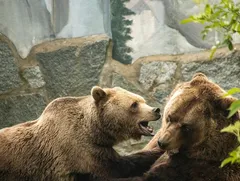
| | Bär
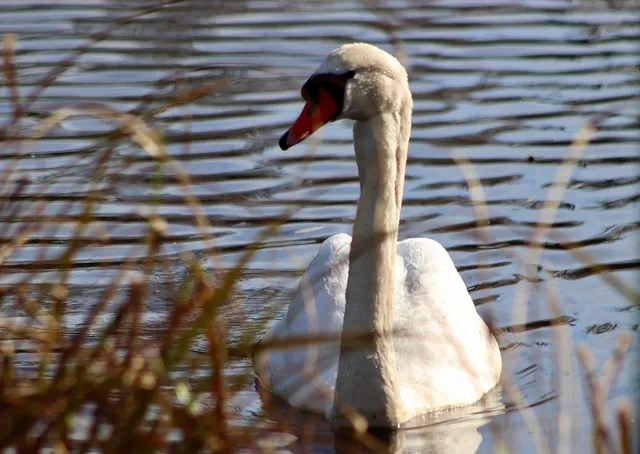
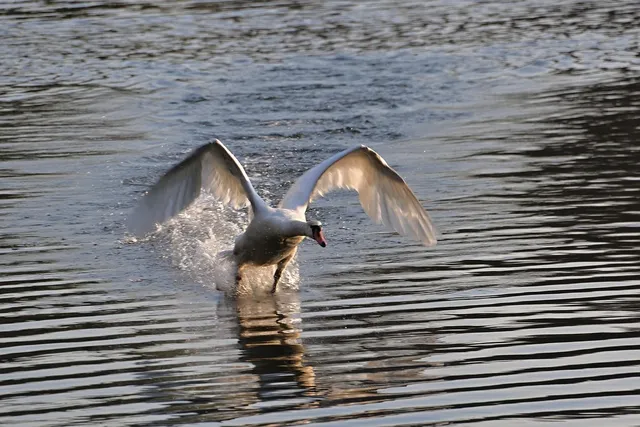
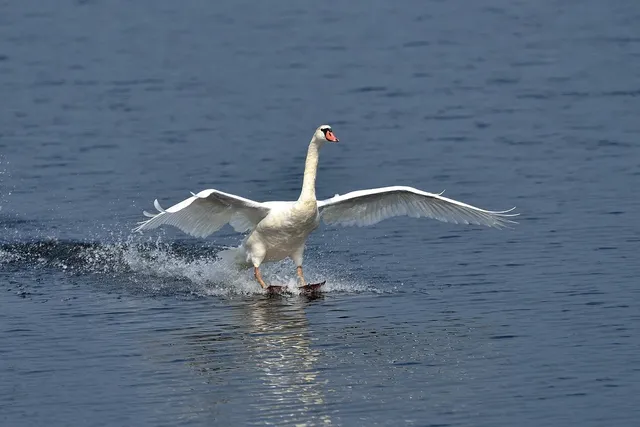
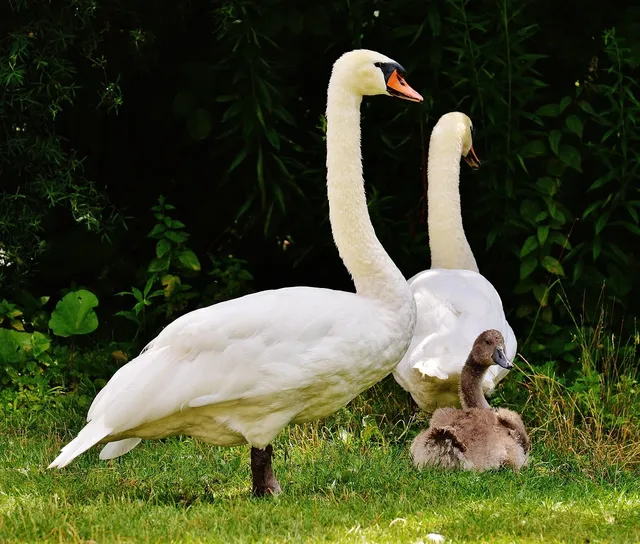
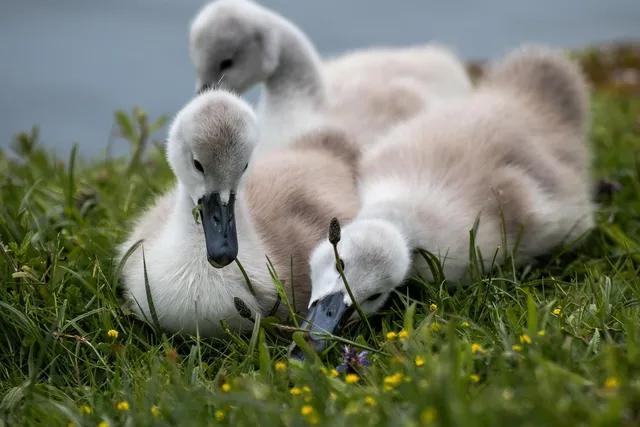
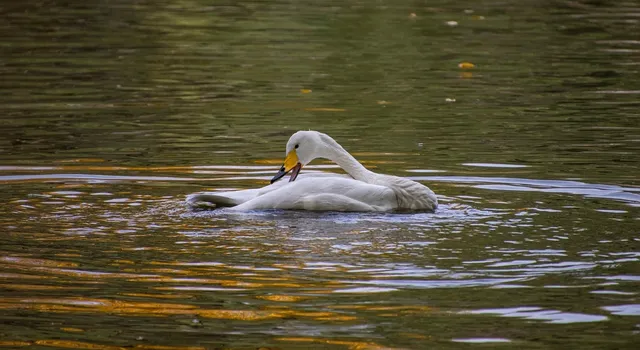
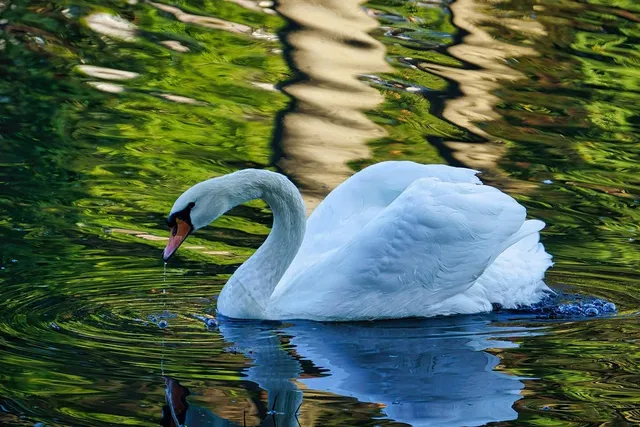
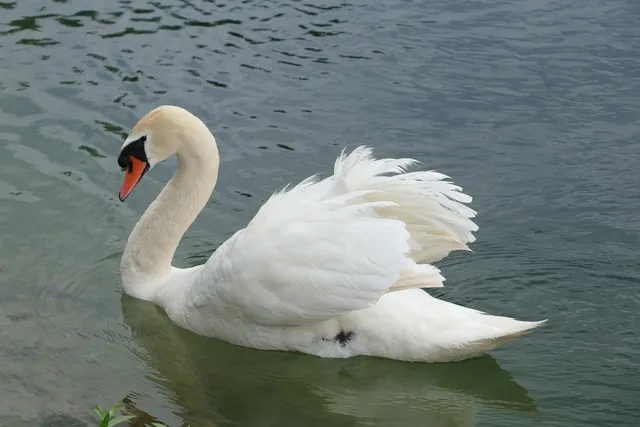
| | Schwan, Alttier
| | ~ 70 cm, gehend | | ~ 6,30 m, jagend, angreifend | | ~ 120 cm, brüllend, drohend
| | schwimmend | male dog
| | female
| | male bear
| | swan, adult
| | ~ 27", walking | | ~ 20.5 ft, hunting, attacking | | ~ 48", roaring, threatening | | swimming
| | | | | |
| | | | Verwendung/usage 10 | | Verwendung/usage 9 | | Verwendung/usage 11, 12 | | Verwendung/usage 13 | | | | | | | |
| | -;-- € | | -,-- € | | -,-- € | | -,-- € | | | | | | | | | noch nicht produziert/ not yet produced | | noch nicht produziert/ not yet produced | | noch nicht produziert/ not yet produced | | noch nicht produziert/ not yet produced | Tipps und Hinweise zur Verwendbarkeit/Tips and hints for usability | 1 - Eisenzeit-Hausrind (nach Jenkins/Cunliffe), Celtic Shorthorn/Iron Age Cattle (according to Jenkins/Cunliffe), Celtic Shorthorn | | West- und Mitteleuropa ab ~ 800 v.u.Z. - ~ 200 - 300; Vorfahre regionaler Zuchten in piktisch/keltisch besiedelten Regionen in Irland, Schottland und Wales (Kerry, Dexter, Ky- | | loe, Galloway, Black Welsh) | | Western and Middle Europe from ~ 800 BC - ~ 200 - 300 AD; base of regional breeding in pictish and celtic dominated regions in Ireland, Scotland and Wales | | | | 2 - Kyloe-Rind/Kyloe Cattle | | Schottland (v.a. westschottische Inseln) möglich ab ~ 200 - 300; Kyloe-Rasse ist durch Einzüchtung in der Highland-Rasse aufgegangen | | Scotland (especially western islands) possible from ~ 200 - 300; Kyloe's has been raised over time by breeding in the Highland Cattle | | | | 3 - Schottisches Hochlandrind/Highland Cattle | | Skandinavien möglich ab ~ 4. - 5. Jh. (Wikinger); Schottland möglich ab ~ 500, überliefert ab ~ 12. Jh.; England ab 1359, Nordengland früher möglich; Export weltweit ab 1880 | | Scandinavia possible from ~ 4th/5th century (vikings); Scotland possible from ~ 500, verified from ~ 12th century; England from 1359, in the north earlier possible; exports | | worldwide since 1880 | | | 4 - Englische Docke, Englische Tocken oder Englischer Hund/English Dog
| | Deutsche Länder ab ~ Anfang 17. Jh.. - ~ 19. Jh.; Einzüchtung in Deutsche Dogge ab ~ 19. Jh. | | German prince- and kingdoms from ~ early 17th century - ~ 19th century; breeding into the Great Dane from ~ 19th century | | | | 5 - Docke, Dogge, Bärenhund, Hirschhund oder Eberhund/Dog or Boarhound | | Deutsche Länder ab ~ 17. Jh.. - ~ 19. Jh.; Einzüchtung in Deutsche Dogge ab ~ 19. Jh. | | German prince- and kingdoms from ~ 17th century - ~ 19th century; breeding into the Great Dane from ~ 19th century | | | 6 - Kammerhund oder Leibhund/Chamber dog or body dog
| | Deutsche Königs- und Adelshäuser ab ~ 17. Jh.. - ~ 19. Jh.; Einzüchtung in Deutsche Dogge ab ~ 19. Jh. | | German prince- and kingdoms and nobility houses from ~ 17th century - ~ 19th century; breeding into the Great Dane from ~ 19th century | | | 7 - Ulmer Dogge, Dänische Dogge, Deutsche Dogge (Reinzucht)/German Boarhound, Grand Danois or Great Dane
| | Deutschland ab ~ 1860, kupierte Ohren bis ~ 1990; Export weltweit ab ~ 1960 | | Germany from ~ 1860, cropped ears only to ~ 1990; exports worldwide since ~ 1960 | | | | 8 - Amerikanischer Schwarzbär oder Baribal/American Black Bear or Baribal | Alaska, Kanada mit Ausnahme des äußersten Nordens, Kerngebiet der Vereinigten Staaten außer Südwesten und Mexiko (Sierra Madre), alle Epochen; in USA Rückgang des Ver-
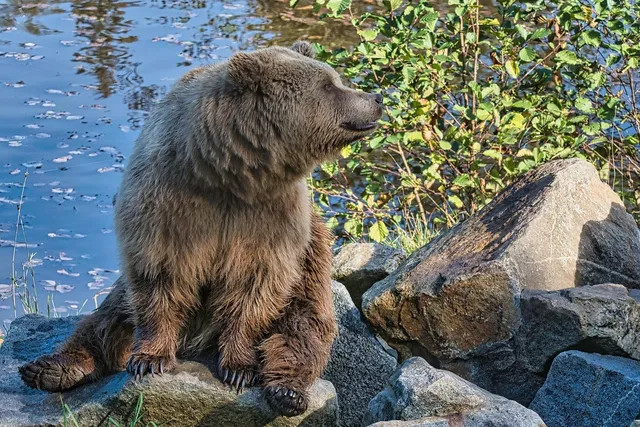
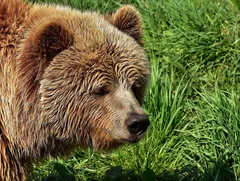
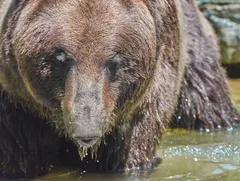
| | breitungsgebietes ab ~ 1750, vor allem im östlichen und südlichen Teil, heutenoch in 39 Staaten, besonders Wälder mit dichtem Unterwuchs, seltener offenes Grasland | | Alaska and Canada except the extreme north, core of the United States except the southwest, Mexico Sierra Madre, all eras; in USA the circulation area decreased from ~ 1750, | | especially in the eastern and southern part, today still in 39 states, especially forests with dense undergrowth, rarely open terrain such as grasslands and tundra | | | | 9 - Weißer Hai, Weißhai oder Menschenhai/Great White Shark, Great White, White Shark or White Pointer | | in den Küsten- und offenen Gewässern aller Ozeane und des Mittelmeers; nicht in Kaltgewässern um Arktis und Antarktis, nicht in Brack- und Süßwassern | | almost all coastal and offshore waters of the oceans and the Mediterranean Sea; not in cold arctic and antarctic waters, not in brackish and fresh water | | | | 10 - Docke, Dogge, Bärenhund, Hirschhund oder Eberhund in Rüstung/Dog or Boarhound in armor | | Europäische Königs- und Adelshäuser zu Jagd- und Trainingszwecken ab ~ 14. Jh. - ~ 17. Jh. | | European prince- and kingdoms and nobility houses for hunting and education from ~ 14th - ~ 17th century | | | | 11 - Europäischer oder Eurasischer Braunbär/European Brown Bear | | Eurasien (außer Indien, Südostasien), Nordafrika seit Endpleistozän; Britannien bis ~ 10. Jh.; Deutschland (zuletzt in Harz/Thüringen/Hessen), Schweiz, Nordafrika (Atlas) bis ~ | | 19. Jh, nur noch Reliktpopulationen in West- und Mitteleuropa; seit ~ Anfang 20. Jh. abnehmende Verbreitung in Osteuropa, Südwest-, Nordasien; größere Populationen in Ru- | | mänien (Karpaten), Russland, China, Japan (Hokkaido) | | Eurasia (except India, South-east Asia), North Africa since end of pleistocene; Britain only to ~ 10th century; Germany (most recently in Harz/Thuringia/Hesse), Switzerland, North | | Africa (Atlas) only to ~ 19th century, relict populations in Western and Central Europe; since 20th century decreasing distribution in Eastern Europe, South-west and North Asia; | | currently in Romania, Russia, China, Japan (Hokkaido) | | | 12 - Grizzlybär/Grizzly Bear; Kodiakbär/Kodiak bear
| | Nordamerika (Kernland) seit Endpleistozän; Kanada, USA seit ~ 1920 nur noch westliche bzw. nordwestliche Landesteile, Alaska; Mexiko bis ~ 1960 | | North America since end of pleistocene; Canada, USA since ~ 20th century only in western/northwestern parts, Alaska; Mexico until ~ 1960 | | | | 13 - Höckerschwan/Mute Swan | | USA, Nordosten und Ostküste bis Florida, Texas, Westküste; Zentraleuropa bis in das Baltikum, südliches Skandinavien und südöstlich bis Schwarzmeerküste; Kaspisches Meer; | | Japan, Neuseeland; regional in Kasachstan, Mongolei, China | USA, NO and East Coast to Florida, Texas, West Coast; Central Europe to the Baltic States, southern Scandinavia and southeast to the Black Sea coast; Caspian Sea; Japan, NZL
| | regional occurrences in Kazakhstan, Mongolia and China | | |
|
 |
|